

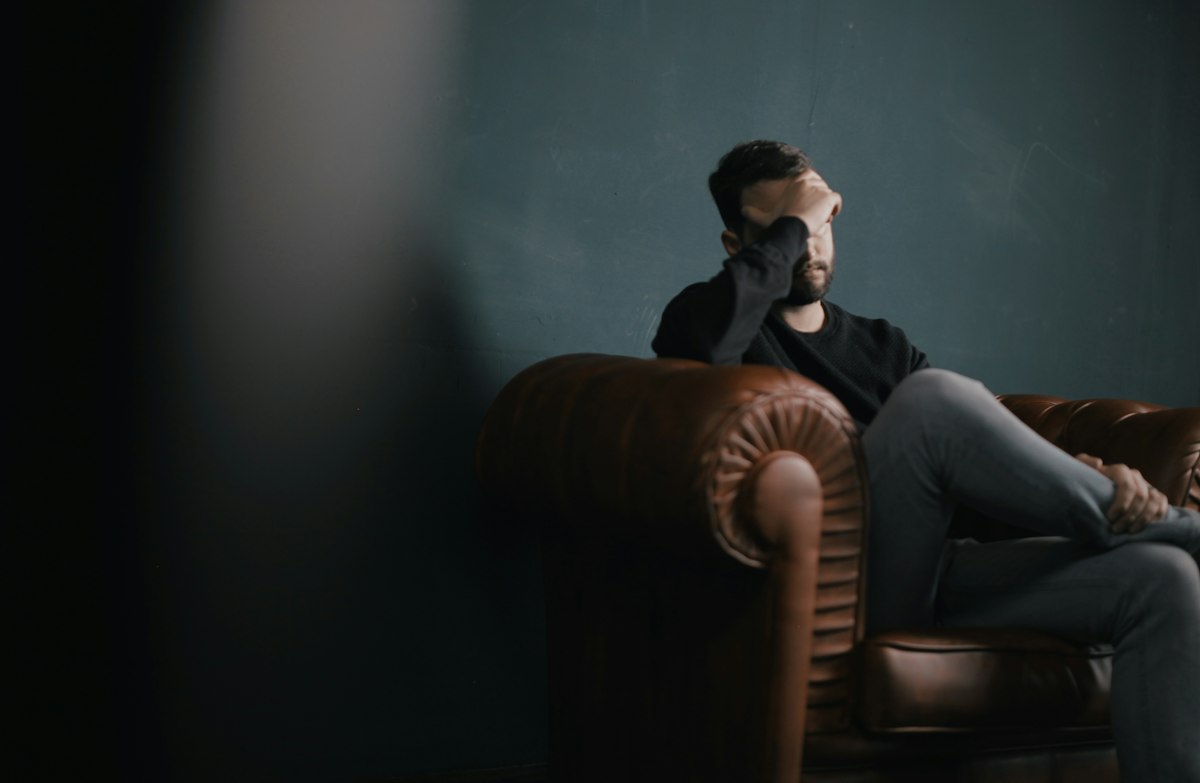
Understanding the 5 Stages of Burnout and How to Recover
Burnout is more than just a buzzword—it's a pervasive issue affecting millions worldwide. Have you ever felt like you're running on empty, both mentally and physically, despite trying to keep up with life's demands? If so, you're not alone. Let's delve into the five stages of burnout and uncover strategies to reclaim your well-being.
What is Burnout?
Burnout, a term popularized in the 1970s by psychologist Herbert Freudenberger, describes a state of chronic physical and emotional exhaustion. This syndrome often results from prolonged stress, typically in the workplace, but can also affect other areas of life like parenting and caregiving.
Psychological research indicates that burnout stems from prolonged exposure to stressors without adequate recovery time. According to a 2019 World Health Organization report, burnout is an "occupational phenomenon" that impacts mental health.
The Five Stages of Burnout
1. The Honeymoon Phase
At the onset, everything seems exciting. You're enthusiastic and committed, motivated to tackle new challenges. However, this initial burst of energy can lead to overcommitment without recognizing the need for balance.
2. The Onset of Stress
Gradually, stress begins to creep in. You might start noticing early signs of stress like irritability, anxiety, or fatigue. This stage is crucial—it's the time to evaluate your stressors and coping strategies.
3. Chronic Stress
Stress becomes persistent, affecting your work performance and relationships. This stage often includes physical symptoms like headaches and changes in sleep patterns. It's a clear signal that something needs to change.
4. Burnout
At this stage, you're emotionally and physically depleted. The joy you once felt is replaced by feelings of helplessness and detachment. Psychologists describe this as the "can't take it anymore" phase.
5. Habitual Burnout
If left unaddressed, burnout becomes part of your routine, severely impacting your quality of life. Chronic sadness and depression may become prevalent, necessitating professional intervention.
How to Recover from Burnout
While burnout can feel overwhelming, recovery is entirely possible with the right strategies and support.
Prioritize Self-Care
Self-care isn't just about spa days. It's about establishing boundaries, ensuring adequate rest, and nourishing your body with healthy food. Consider incorporating mindfulness practices like meditation or yoga to help manage stress.
Seek Support
Don't underestimate the power of a supportive network. Sharing your experiences with friends, family, or a mental health professional can provide relief and new perspectives.
Reassess Your Goals
Take a step back to evaluate your personal and professional goals. Are they realistic? Are they aligned with your values? Adjusting your expectations can reduce pressure and create a healthier work-life balance.
Take the Burnout Score Quiz
Identifying your burnout stage is the first step towards recovery. Our Burnout Score Assessment will help you understand your current level of burnout and offer tailored advice on how to proceed.
Implement Small Changes
Begin with small, manageable changes to your routine. Whether it's delegating tasks or setting aside "me-time," these adjustments can lead to significant improvements over time.
Conclusion: Reclaiming Your Life
Burnout doesn't have to be a permanent state. By recognizing the signs early and implementing effective coping strategies, you can regain control over your life and well-being.
Feeling ready to take the next step? Discover your burnout stage with our Burnout Score Assessment and take charge of your recovery journey today.
TypeMyself Team
Insights from the TypeMyself editorial team